

Fennel Seed Benefits: Nutrition, Bioactive Compounds & Traditional Use
Fennel seed benefits have been examined in both traditional systems of medicine and modern research, owing largely to the seed’s dense concentration of volatile oils, flavonoids, and phenolic compounds.
These bioactive compounds are of interest for their observed role in supporting digestion, moderating inflammatory pathways, and contributing antioxidant activity. Fennel seed has a long-standing place in traditional use for indigestion, bloating, and flatulence, and its anti-inflammatory properties have also been examined in relation to arthritic and respiratory discomfort.
Beyond its phytochemical profile, the fennel plant — including its bulb, stem, seed, and leaf — is a source of essential minerals such as potassium, calcium, and manganese.
Fennel’s association with vitality dates back to its therapeutic use, documented in Indian Ayurvedic texts, to an estimated 2000 BC, and later to Greek civilisation.
Key Points In This Article
This article sets out an overview of the compounds and nutritional constituents of common fennel (Foeniculum vulgare), its observed therapeutic properties, its place in Ayurvedic use, and a review of the research most frequently cited in relation to fennel seed.
What Is Fennel Seed? An Overview of Foeniculum Vulgare
Common fennel seed belongs to the Apiaceae (carrot) family, and its botanical name is Foeniculum vulgare. The fennel plant is exceptionally aromatic, with a distinct anise-like flavour driven primarily by the compound anethole, its dominant volatile constituent.
Fennel and its various parts carry a long-established history of use in phytotherapy — the study and application of plant-derived compounds for health purposes — whether as a dietary addition or in more concentrated, dose-dependent preparations.
The fennel plant is native to Asia Minor and the Mediterranean basin, though it has been cultivated and incorporated into food and medicinal traditions across a wide range of regions and eras.
Some regions historically associated with fennel: India: Cultivation of fennel dates back an estimated 2000 BC, and the seed retains symbolic significance in Indian culture. Fennel seeds are incorporated into holistic diets for their traditionally observed calming effect on the digestive system, and for their aroma and taste.
Modern Day
Fennel now grows across a wide geographic range, including parts of Asia, Europe, Turkey, India, and Spain. It thrives in open sites, along roadsides, and in pastures.
Types of Fennel
- Common fennel: Foeniculum vulgare (seed) is used the most widespread
- Sweet fennel: Foeniculum vulgare var. dulce
- Florence fennel: Foeniculum vulgare var. azoricum (vegetable/bulb)
- Bronze fennel: Foeniculum vulgare ‘Purpureum’
Main Parts of the Fennel Plant Used
The fennel plant is multifaceted, with roots, stems, bulb, leaves, and seed all finding use.
Nutritional Components of Whole Fennel Seed
Fennel seed is a source of minerals and trace elements, including calcium, iron, magnesium, manganese, phosphorus, potassium, sodium, zinc, and copper.
One teaspoon of whole fennel seed (approximately 2 g) contains the following, according to sources such as USDA on the spice:
| Calcium, 24 mg | Iron, 0.37 mg | Magnesium, 7.7 mg |
| Phosphorus, 9.7 mg | Potassium, 33.9 mg | Sodium, 1.8 mg |
| Zinc, 0.074 mg | Copper, 0.021 mg | Manganese, 0.13 mg |
| Vitamin C, 0.42 mg | Vitamin A, 2.7 IU | Energy, ~7 kcal (28.8 kJ) |
Fennel seed also contributes essential amino acids, including leucine, isoleucine, phenylalanine, and tryptophan, along with a range of soluble and fat-soluble vitamins, in trace amounts.
- Vitamins A, E, and K are the primary fat-soluble vitamins present.
- Ascorbic acid, thiamine, riboflavin, niacin, and pyridoxine are the water-soluble vitamins present.
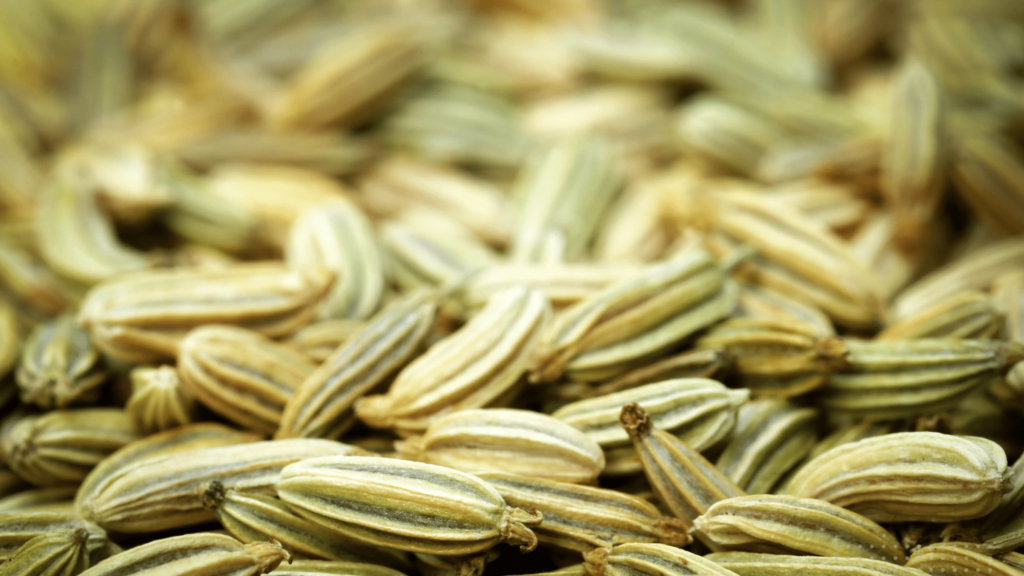
Is Fennel Seed Acidic or Alkaline?
Fennel seed is frequently listed as an “alkaline” food in popular alkaline-diet resources, alongside other seeds and herbs. It is worth noting that this classification stems from a nutritional framework — the theoretical “acid-ash/alkaline-ash” model of food — that is not itself strongly evidence-based, and general alkaline-food lists should be read with that caveat in mind.
Separately, there is a small body of direct clinical research on fennel seed’s effect on oral pH specifically. A study published in the Indian Journal of Dental Research found that chewing fennel seed produced a significant, short-term rise in salivary pH, which persisted above the pre-chewing baseline for at least 30 minutes — a mechanism the authors linked to a traditionally observed anti-cariogenic (cavity-protective) effect of chewing fennel seed after meals (Manohar et al., 2020).
This is a narrower, more directly measured observation than the general “alkaline food” classification, and the two should not be conflated: one describes oral pH after chewing the seed, while the other refers to a broader dietary theory about whole-body pH that still requires further observation.
Bioactive Compounds in Fennel Seed
According to a review by Badgujar et al. (2014), fennel seed comprises a range of secondary metabolites, including fatty acids, phenolic components, hydrocarbons, and volatile compounds, most of which are concentrated within the essential oil of the seed.
The review’s key observations regarding fennel’s phytochemical characteristics include:
- The anise-like odour of F. vulgare is attributed to its essential oil content.
- The essential oil of fennel contains more than 87 identified volatile compounds.
- These volatile compounds are distributed variably throughout the plant — appearing in the roots, stems, shoots, flowers, and fruits.
- The antioxidative activity observed in fennel has been linked to the presence of cis-Miyabenol C and anethole.
- Limonene and β-myrcene have been associated with hepatoprotective (liver-supportive) activity in laboratory research.
| Volatile Compounds d-limonene, estragole, anethole | Flavonoids quercetin and apigenin (major flavonoids) | Phenolic Compounds rosmarinic acid, chlorogenic acid (major phenolics) |
Fennel Seed vs Flaxseed: An Antioxidant Comparison
A 2023 comparative analysis published in Food Science & Nutrition examined fennel seed and flaxseed side by side (Noreen et al., 2023). The study found that fennel seed contained notably higher dietary fibre, calcium, manganese, and sodium than flaxseed. However, in the same analysis, flaxseed extracts showed higher total phenolic content, flavonoid content, and free-radical scavenging (FRAP) activity than fennel seed extracts.
This is a useful point of nuance: fennel seed’s strengths in this particular study were mineral and fibre density rather than antioxidant capacity relative to flaxseed, and the two seeds appear complementary rather than directly comparable on a single “which is better” axis.
Phytotherapeutic Properties & Case Studies
Badgujar, Patel, and Bandivdekar (2014) conducted a review of in vivo and in vitro research on Foeniculum vulgare Mill, covering its botany, phytochemistry, pharmacology, contemporary application, and toxicology.
The review found that Foeniculum vulgare Mill has been examined for a wide range of pharmacological properties, including:
anti-inflammatory, antimicrobial, anticancer, anti-diabetic, hepato-protective, and neuro-protective activity. It was also observed to be relevant to various conditions such as digestive disorders, respiratory disorders, and menstrual issues.
The review’s authors note the long history of ethnomedicinal use of fennel and the general absence of severe reported side effects, with most toxicity experiments reviewed showing no signs of toxicity at the doses tested.
The table below sets out therapeutic terms associated with fennel in the research literature reviewed by Badgujar et al. (2014):
| Antiviral | Antimicrobial | Anti-inflammatory | Antiallergic | Hepatoprotective |
| Anxiolytic | Antistress | Memory enhancing | Nootropic | Anti-colitic |
| Estrogenic properties | Galactogenic | Expectorant | Antinociceptive | Diuretic |
| Hypoglycemic | Antiaging | Antioxidant | Soothing | Calming |
Wild Fennel
Faudale et al. (2008) measured the antioxidant activity and phenolic composition of wild, edible, and medicinal fennel samples sourced from various Mediterranean countries. The study found that wild fennel exhibited the highest radical-scavenging activity and total phenolic and flavonoid content of the three, with medicinal fennel intermediate and edible (culinary) fennel lowest — a difference the authors linked to higher concentrations of phenolic compounds such as quercetin-3-O-galactoside and rosmarinic acid in the wild samples.
Case Study: Fennel Seed Essential Oil and Women’s Wellbeing
Mahboubi (2019) reviewed traditional use of fennel to help manage premenstrual symptoms, referencing a clinical trial that compared fennel oil oral drops against mefenamic acid (a common anti-inflammatory medication) and a placebo.
In that trial, fennel oil was observed to be comparably effective to mefenamic acid in reducing menstrual clinical symptoms, and it significantly reduced the severity of anxiety, depression, and overall clinical PMS symptoms compared with the placebo group. Fennel oil did not, however, meaningfully affect excitement, fluid accumulation, or physical PMS symptoms in the same trial. The findings point to a possible role for fennel in PMS symptom management, though — as with any trial of this kind — the result is specific to the population, dose, and preparation studied.
The full study can be found here: Mahboubi M. Foeniculum vulgare as Valuable Plant in Management of Women’s Health. J Menopausal Med. 2019 Apr;25(1):1–14.
Antioxidant Effects of Anethole
Anethole is one of the principal phytoconstituents in fennel seed and a major contributor to its antioxidative activity. In a study investigating synthesised derivatives of trans-anethole, Freire et al. (2005) found significant antioxidant activity among the compounds tested, alongside anti-inflammatory and gastroprotective properties, suggesting these derivatives may hold promise as therapeutic agents for oxidative and inflammatory conditions.
The full study can be found here: Freire RS et al. Synthesis and antioxidant, anti-inflammatory and gastroprotector activities of anethole and related compounds. Bioorg Med Chem. 2005;13(13):4353–8.
Fennel Tea and Subjective Appetite
Bae et al. (2015) examined the effect of fennel tea and fenugreek tea on subjective appetite in a small, placebo-controlled, three-way crossover trial involving nine overweight Korean women. Compared with a placebo tea, fennel tea was associated with a significant increase in reported fullness and a significant reduction in desire to eat at the 210-minute mark, before a subsequent lunch buffet. However, there was no significant difference in actual calories consumed at the buffet across the three tea conditions, and the significant reduction in reported hunger specifically was observed for fenugreek tea rather than fennel tea.
Given the small sample size and short-term design, the authors themselves frame this as a preliminary observation warranting further, larger, and longer-term investigation — a caveat worth carrying forward rather than treating fennel tea as an established appetite-control tool.
Cardiovascular Effects and Drug Safety Considerations
A comprehensive 2025 review by Zahi et al., published in Pharmaceuticals, brought together the existing laboratory and animal research on fennel’s cardiovascular activity, reporting observed hypotensive, vasorelaxant, cardioprotective, hypolipidemic, antiplatelet, and diuretic effects across a range of preclinical models. The review is careful to note that this evidence base remains preclinical — drawn from in vitro and in vivo studies rather than human centric clinical trials — and calls explicitly for further clinical research before these observations can be confirmed in people. It also cites notes on potential interactions with medicines and is limited to the scope defined.
Example of Gripe Water
Commercial gripe water for infants often contains fennel alongside other components and is traditionally used for general infant colic. Similarly, depending on individual suitability, organic fresh fennel or fennel seed tea is used by adults as a digestive aid.
What Is Fennel Seed Good For? Ayurvedic Use
Ayurvedic sciences attribute fennel’s digestive effects to its role in balancing vitiated (excess or imbalanced) Vata and Kapha elements within the body. It is also considered to have a dual nature depending on the quality and method of consumption, with a pitta-enhancing effect.
Fennel seed’s anethole content — with its characteristic sweet, liquorice-like aroma — is traditionally regarded as soothing and calming, and is understood to stimulate the secretion of digestive juices. The seed also contains fenchone and estragole, compounds associated with anti-inflammatory activity relevant to digestive discomfort.
Thermogenic Property: Between Heating and Cooling
In Ayurvedic classification, fennel seed is generally considered thermogenic, influencing digestive heat. It is, however, distinguished from other thermogenic plants and, depending on preparation, can have a cooling effect on digestion — in some traditional combinations, it is used for pitta dosha alongside other herbs.
Ways to Consume Fennel Seed
Fennel offers versatility in how it can be consumed — raw in salads and snacks, stewed, boiled, grilled, or baked, as whole seed, or as fennel seed tea.
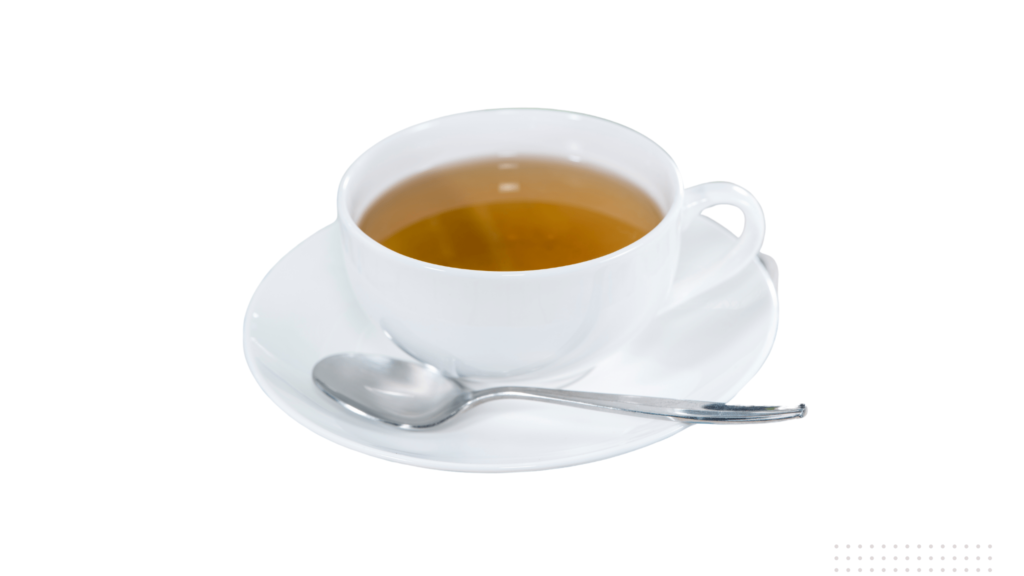
1. Fennel Seed Tea
Fennel seed tea is frequently used within traditional Eastern medicine systems. Organic whole fennel seed is a suitable option for a tea infusion, which can be drunk depending on suitability, or every other day, either before or roughly 40 minutes before or after meals.
2. Whole Fennel Seed
Fennel seeds are chewed after meals, typically a pinch. This is a common practice in Indian restaurants and hotels after a meal.
3. Fresh Fennel Plant
Fresh fennel bulb, stems, and leaves can be added to soups, stews, and raw salads. An organic source may be preferable where a pesticide-free option is available.
4. Fennel Supplement Forms
Fennel is also available in capsule, tincture, and essential oil supplement forms, generally standardised for anethole or total volatile oil content. As with any concentrated botanical extract, suitability, appropriate use, and interactions with existing medications or conditions are best confirmed with a qualified healthcare professional before use — concentrated preparations behave differently in the body to culinary quantities of the whole seed.
Summary
Fennel seed benefits are wide-ranging in the research literature, including anti-inflammatory effects with observed relevance to digestive comfort, and a nutrient profile particularly rich in calcium, potassium, phosphorus, and dietary fibre.
The fennel plant is used across its roots, stems, shoots, flowers, fruits, and seed, with a rich phytochemical profile that includes anethole and a range of flavonoids and phenolic compounds. Research to date points to potential relevance for antioxidative activity, digestive support, cardiovascular parameters, and — in preliminary studies — premenstrual symptom management and short-term appetite regulation, alongside its established place in Ayurvedic and traditional dietary practice. As with much of the fennel literature, the cardiovascular and appetite-related findings remain preclinical or based on small trials, and are best read as promising rather than conclusive.
Suitability & Precautions
The information presented in this article is subject to individual suitability and individual health status. This is an informational post only and does not constitute professional or medical advice. Seek the advice of a professional.
References in the article can be cross-checked as detailed below. This post is AI-assisted, not AI-generated, and is cross-referenced.
References
- Badgujar SB, Patel VV, Bandivdekar AH. Foeniculum vulgare Mill: a review of its botany, phytochemistry, pharmacology, contemporary application, and toxicology. Biomed Res Int. 2014;2014:842674. PMC4137549
- Faudale M, Viladomat F, Bastida J, Poli F, Codina C. Antioxidant activity and phenolic composition of wild, edible, and medicinal fennel from different Mediterranean countries. J Agric Food Chem. 2008;56(6):1912–1920. DOI
- Mahboubi M. Foeniculum vulgare as Valuable Plant in Management of Women’s Health. J Menopausal Med. 2019;25(1):1–14. PMC6487283
- Freire RS, et al. Synthesis and antioxidant, anti-inflammatory and gastroprotector activities of anethole and related compounds. Bioorg Med Chem. 2005;13(13):4353–4358. PubMed
- Noreen S, Tufail T, Bader Ul Ain H, Ali A, Aadil RM, Nemat A, Manzoor MF. Antioxidant activity and phytochemical analysis of fennel seeds and flaxseed. Food Sci Nutr. 2023;11(3):1309–1317. PMC10003022
- Bae J, Kim J, Choue R, Lim H. Fennel (Foeniculum vulgare) and Fenugreek (Trigonella foenum-graecum) Tea Drinking Suppresses Subjective Short-term Appetite in Overweight Women. Clin Nutr Res. 2015;4(3):168–174. DOI
- Manohar R, Ganesh A, Abbyramy N, Abinaya R, Balaji SK, Priya SB. The effect of fennel seeds on pH of saliva – A clinical study. Indian J Dent Res. 2020;31(6):921–923. DOI
- Zahi A, Rani A, Aktary N, Rahman M, Mekhfi H, Ziyyat A, Park MN, Legssyer A, Kim B. Cardiovascular Effects, Phytochemistry, Drug Interactions, and Safety Profile of Foeniculum vulgare Mill. (Fennel): A Comprehensive Review. Pharmaceuticals (Basel). 2025;18(11):1761. PMC12655285
- United States Department of Agriculture, FoodData Central: fdc.nal.usda.gov