
Legumes: Why Red Lentil & Green Mung Bean Stand Out
A legumes list typically includes lentils, beans, peas, and chickpeas, there are many. Despite this broad category, only around 8% of adults in USA report eating legumes on any given day, well below the intake associated with cardiometabolic benefit (Polak et al., 2015). Lentils, as part of the pulse subgroup of legumes, have a long-standing history of use in traditional dietary systems such as Ayurveda and Traditional Chinese Medicine for their nutritional and physiological properties and mainstream science is recognising this more.
Within this legumes list, two members stand out for their nutritional density and bioactive compound content: the green mung bean and the red lentil. This article examines both in detail.
Legumes are recognised for their phytotherapeutic properties and, in some traditional and integrative health systems, regarded as a foundational food group that supports overall health because of their wide range of plant-based compounds and micronutrients.
Research associates legume consumption with support for cardiac wellness, gut health, and a favourable inflammatory profile, partly through its influence on the gut microbial environment.
Key Points In This Article
This article examines: how preparation and consumption methods affect the bioavailability of legumes; an overview of what distinguishes a “legume” from a “pulse”; the nutritional profile of red lentils and green mung beans; and a review of the research underpinning their reported therapeutic properties, including some recent case studies.
Legumes List: Terminology
Legumes belong to the plant family Fabaceae and typically produce seeds in pods. The category includes beans, lentils, peas, and chickpeas, among others, and is generally rich in protein, fibre, vitamins, and minerals.
A useful distinction, highlighted by Didinger and Thompson (2021) in their review for the Dietary Guidelines for Americans, is between legumes as a whole and pulses — the dry, edible seed subgroup of legumes, which includes chickpeas, cowpeas, dry beans, dry peas, and lentils. Fresh or green legumes (such as green peas or green beans) and oilseed legumes (such as soybeans and peanuts) sit outside the pulse subgroup. Red lentils and dried mung beans are both classed as pulses.
Most legumes have a low glycemic index and can support blood sugar regulation as part of a balanced diet. Legumes are also recognised in agriculture for their nitrogen-fixing properties, which support soil health and sustainable crop rotation.
Role of Legumes In a Nutritional & Therapeutic Diet
Legumes have been studied extensively for their reported health effects, in both traditional and contemporary research. One consistently reported observation is their association with reduced lifestyle-related cardiovascular disease risk.
An Example Case Study: Polyphenols
Ganesan and Xu (2017) reviewed the evidence on lentil polyphenols and their health-promoting effects. The review reports an association between lentil consumption and lower blood pressure, alongside antioxidant, ACE-inhibitory, and cardioprotective properties attributed to lentil bioactive compounds.
Study Key Findings
According to the review, lentil compounds reduce the activity of angiotensin I-converting enzyme (ACE) and demonstrate the following:
- Anti-hyperlipidemic effects on cholesterol and triglycerides.
- Anti-hyperhomocysteinemia effects (homocysteine is an amino acid produced during protein breakdown; elevated levels are a recognised cardiovascular risk marker in some individuals).
- Anticholesterolemic effects, associated in vivo and in vitro with reductions in total cholesterol, triglycerides, and low-density lipoprotein (LDL) levels, which may support lower risk of hypertension and coronary artery disease.
Legumes Glycemic Effect
Legume consumption has been associated with a lower glycemic response, higher high-density lipoprotein (HDL) levels, and reduced blood glucose readings in several studies.
Much of this effect is attributed to the soluble fibre content of legumes, which can help lower cholesterol and moderate inflammation — both recognised cardiovascular risk factors.
As with any dietary factor, individual outcomes vary with diet as a whole, activity levels, and other lifestyle variables, so these findings are best read as one contributing factor among several.
Legumes & Blood Sugar Regulation
Most legumes carry a low glycemic index, generally in the 0–55 range on standard international GI tables. Green mung bean and red lentils both fall into this low-GI category, meaning they release glucose into the bloodstream gradually. This makes them a reasonable option for people seeking lower-GI foods or managing blood sugar variability, though individual responses should be discussed with a healthcare professional.
Green Mung Bean
Red Lentil
Legumes In Healthy Weight Management
Legumes are a nutrient-dense food for weight management: relatively low in calories, high in fibre, and protein-rich, which supports satiety and may reduce the likelihood of overeating.
Their complex carbohydrate content provides sustained energy and can help offset cravings for refined, sugary snacks.
For example, one cup (207g) of raw green mung bean provides approximately 49.5g protein, 3000 kJ energy, and 103g carbohydrate, per USDA FoodData Central — a substantial protein and energy contribution for a plant-based food.
Legumes For Gut Health
Legumes contain prebiotic carbohydrates, which feed beneficial gut bacteria and support a healthy microbial balance. This is associated with improved digestion and nutrient absorption.
Legumes are typically pre-soaked for between 2 and 24+ hours before cooking, depending on the type, and thoroughly cooked after washing. This reduces anti-nutrients such as phytic acid and lectins concentrated in the outer seed coat.
Legumes & Prebiotic Activity
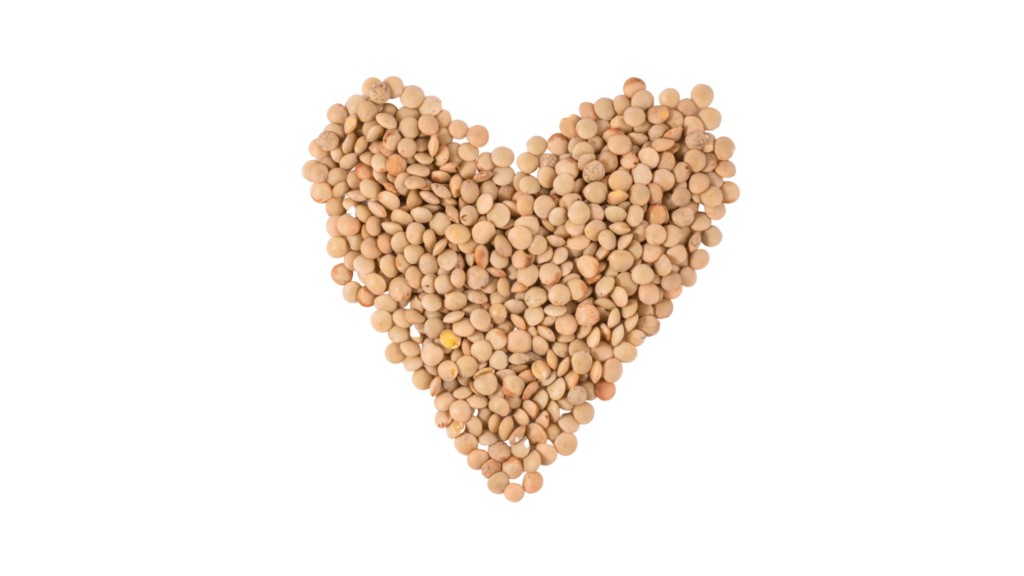
Johnson et al. (2013) report that lentils are a prebiotic-rich whole-food legume, providing more than 13g of prebiotic carbohydrates per 100g serving — a figure the same research group notes can roughly double after cooking, cooling, and reheating.
Ganesan and Xu (2017) report a comparable range, citing 12.3–14.1g of prebiotic carbohydrate per 100g of dry lentils.
These prebiotic carbohydrates are understood to support a healthy gut microbial environment. Lentils are also low in fat and sodium but relatively high in potassium, which the same review associates with suitability for individuals managing obesity or cardiovascular risk factors, alongside other dietary considerations.
Further dietary properties reported in this review are detailed below.
Iron & Other Nutrients
Lentil seeds are a notable vegetable source of iron, and their regular consumption in cooked form is associated with a reduced risk of iron deficiency anaemia.
Lentils also contain several minerals, including zinc, copper, manganese, molybdenum, selenium, and boron, as well as vitamins such as thiamine, riboflavin, niacin, pantothenic acid, pyridoxine, folate, tocopherols, and phylloquinone.
Vitamin K
The average vitamin K content of lentils is around 5µg per 100g, well below the typical adult daily requirement of roughly 80µg.
Ganesan and Xu (2017) note that this low vitamin K content makes lentils a comparatively safe food choice for individuals with cardiovascular disease who are on anticoagulant treatment — though anyone on anticoagulant therapy should confirm dietary changes with their prescribing clinician.
Overall Consensus On Legumes
Broadly, legumes are considered a strong source of nutrition due to their rich profile and reported functional, physiological-therapeutic effects. Combined with vegetables, grains, and other ingredients, they can form complete meals.
- High in protein
- Low in fat
- Rich in fibre
- Source of enzymes
- Rich in vitamins and minerals
- Associated with phytotherapeutic effects
The next section examines two significant members of this legumes list in more depth: the green mung bean and the red lentil.
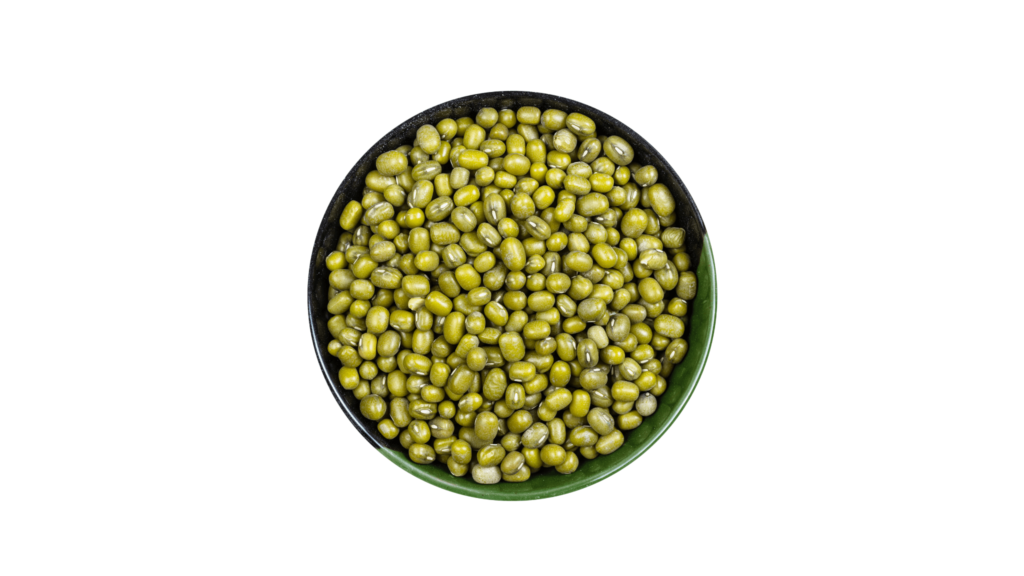
1. Green Mung Bean (GMB) Vigna Radiata
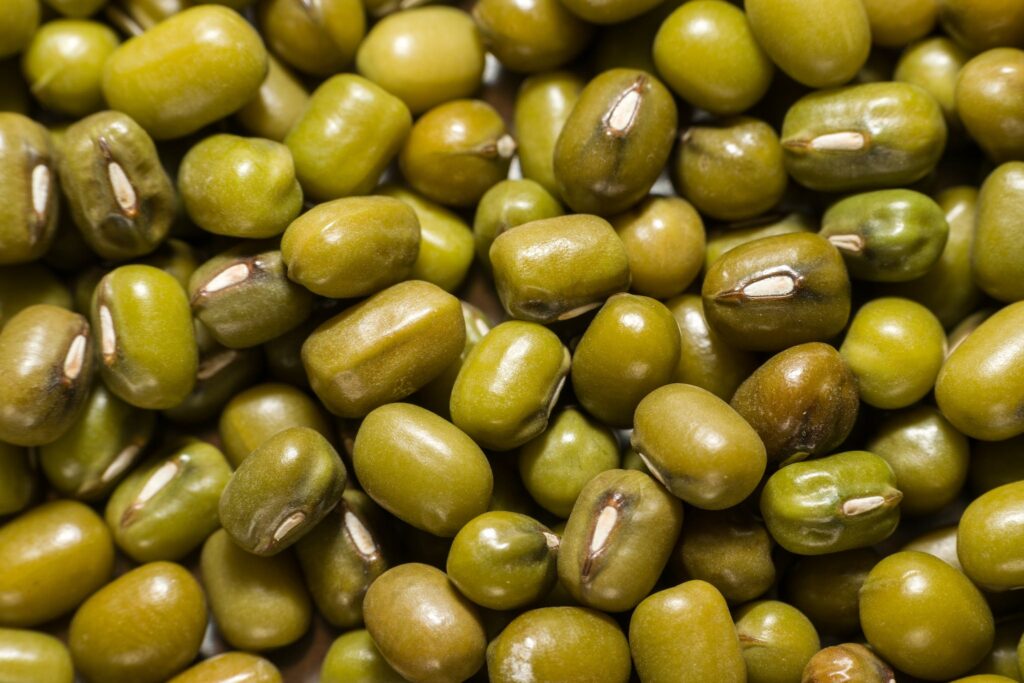
The green mung bean belongs to the legume family and is widely regarded as a nutritionally dense food, with an established history in traditional dietary science and a growing body of contemporary research on its therapeutic properties.
The bean contains phytochemical constituents such as polyphenols and flavonoids, which are associated with anti-inflammatory and anti-carcinogenic activity in vivo and in vitro observations.
Green mung bean is also a strong source of plant-based protein, fibre, and a wide range of essential nutrients.
GMB Sprouts: Another way to use GMB is by sprouting the bean. Germination is reported to further enhance its bioavailability on digestion.
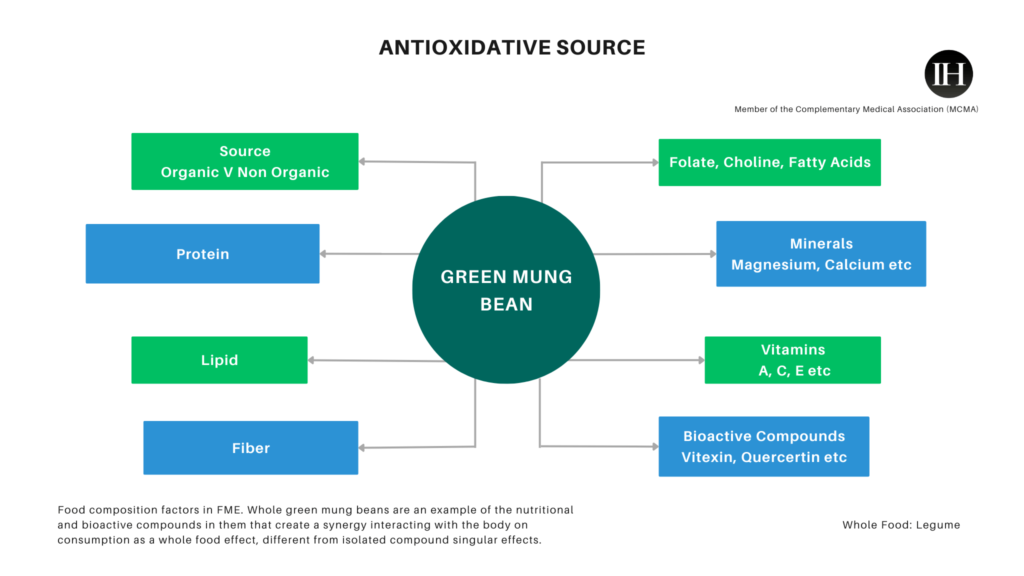
Mung Bean Key Nutritional Elements
According to the USDA, one cup of mung bean (mature seeds, raw) contains approximately the following bioactive and macronutrient values:
Protein 49.5g, Energy 3000 kJ, Fat 2.38g, Carbohydrates 103g, Dietary fibre 33.7g, Sugars 13.7g
| Calcium 273 mg | Iron 14 mg |
| Magnesium 391 mg | Phosphorous 760 mg |
| Potassium 2590 mg | Sodium 31 mg |
| Zinc 5.55 mg | Copper 1.95 mg |
| Manganese 2.15 mg | Selenium 17 µg |
| Vitamin C (total ascorbic acid) 9.94 mg | Thiamin 1.28 mg |
| Riboflavin 0.482 mg | Niacin 4.66 mg |
| Pantothenic acid 3.95 mg | Vitamin B-6 0.791 mg |
| Folate 1290 µg | Choline 203 mg |
| Vitamin A 12.4 µg | Beta Carotene 141 µg |
| Vitamin E (alpha-tocopherol) 1.06 mg | Vitamin K 18.6 µg |
| Fatty acids, total saturated 0.72 g | Fatty acids, monounsaturated 0.333 g |
Mung Bean Functional – Therapeutic Properties
Green mung bean contains phenolic acids, antioxidants associated with countering free radical activity in the body.
The bean also contains flavonoids, associated with anti-inflammatory and anti-carcinogenic activity, and tannins, associated with antiviral and antibacterial effects in laboratory research.
Mung bean saponins are also reported to contribute to cholesterol reduction and immune-supportive properties.
Mung Bean Example Case Study
Hou et al. (2019), reviewing the bioactive compounds and health benefits of mung bean, cite a double-blind, placebo-controlled clinical trial of 45 prediabetes patients that examined the effects of mung bean protein on glucose metabolism.
In that trial, the test group (n=23) consumed a total of 2.5g mung bean protein twice daily for 12 weeks. Results showed that mung bean protein stabilised fasting plasma glucose and insulin levels relative to placebo, and triglyceride levels decreased significantly among participants with hyperlipidemia.
The authors suggest these findings indicate mung bean protein may support insulin sensitivity by reducing visceral fat accumulation, an effect that was particularly notable in obese participants. As a single trial with a modest sample size, this observation remains limited to the extent it states and individual suitability applies.
Pre-Soaking In Water For Bioavailability Uptake
Green mung bean is typically pre-soaked in clean water before cooking. Soaking overnight and cooking the following day is understood to help activate the bean’s enzymes and nutrients, making them more readily available for absorption.
2. Red Lentil (RL) Lens Culinaris
Number two on this legumes list is the red lentil.
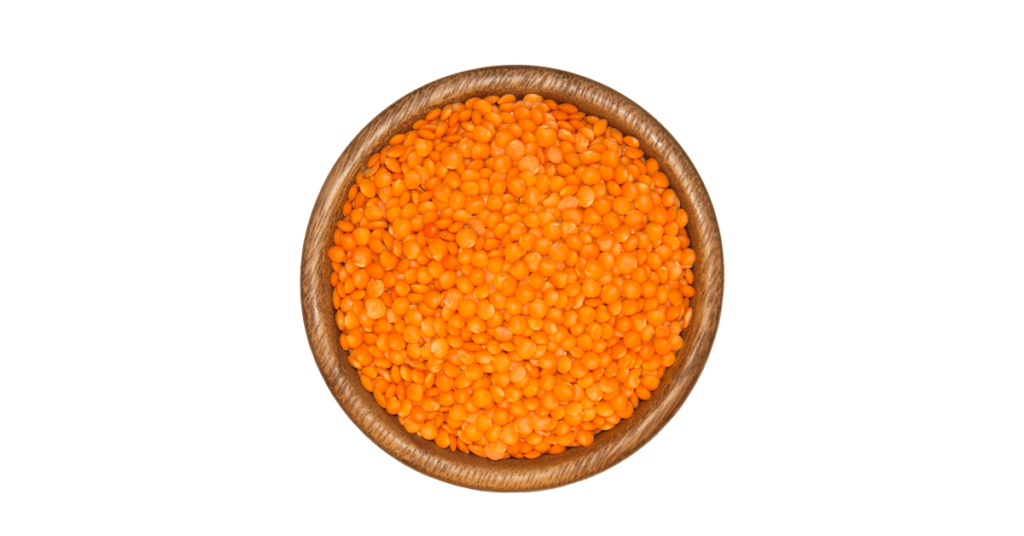
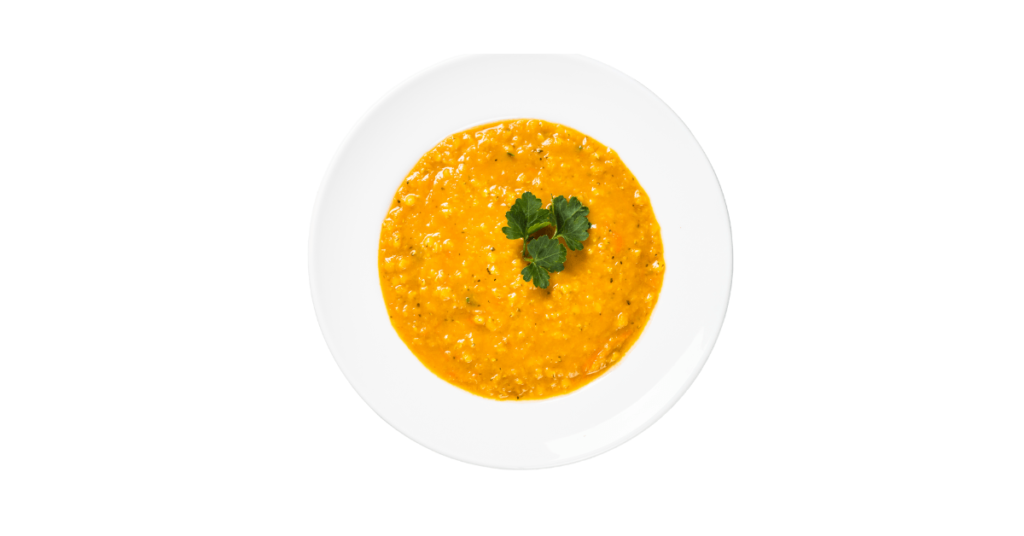
Red lentils are a small legume with a distinctive pinkish-red hue, widely used in soups, stews, and curries. They are known for their protein content and dietary fibre, and are a common base for soups intended to be gentle on a disturbed gut and digestive system in Ayurvedic dietary principles.
Lentils Nutrition: Red Lentils
According to USDA data, one cup (192g) of raw red or pink lentils contains the following approximate nutritional values:
Selected amino acids: Threonine 1.72g, Isoleucine 2.07g, Leucine 3.48g, Lysine 3.34g, Phenylalanine 2.36g, Tyrosine 1.28g, Valine 2.38g, Arginine 3.71g, Histidine 1.35g, Alanine 2g, Aspartic acid 5.3g, Glutamic acid 7.43g, Glycine 1.94g, Proline 2g, Serine 2.21g.
| Energy | 2880 kJ |
| Protein | 45.9 gram |
| Fiber, total dietary | 20.7 gram |
| Calcium, Ca | 92.2 mg |
| Iron, Fe | 14.2 mg |
| Magnesium, Mg | 113 mg |
| Phosphorus, P | 564 mg |
| Potassium, K | 1280 mg |
| Sodium, Na | 13.4 mg |
| Zinc, Zn | 6.91 mg |
| Copper, Cu | 2.5 mg |
| Manganese, Mn | 3.3 mg |
| Vitamin C, total ascorbic acid | 3.26 mg |
| Folate, total, Folate food, DFE | 392 µg |
| Vitamin A, RAE | 5.76 µg |
| Carotene, beta | 67.2 µg |
| Vitamin A, IU | 111 IU |
Red Lentil Therapeutic Properties
Red lentils are a source of bioactive compounds including polyphenols, flavonoids, and phytosterols (Mustafa et al., 2022). These compounds are associated in the research literature with antioxidant, anti-inflammatory, and anti-carcinogenic properties.
Red lentils are also rich in dietary fibre, which supports digestion, satiety, and is associated with a lower risk of chronic conditions such as cardiovascular disease, type 2 diabetes, and obesity.
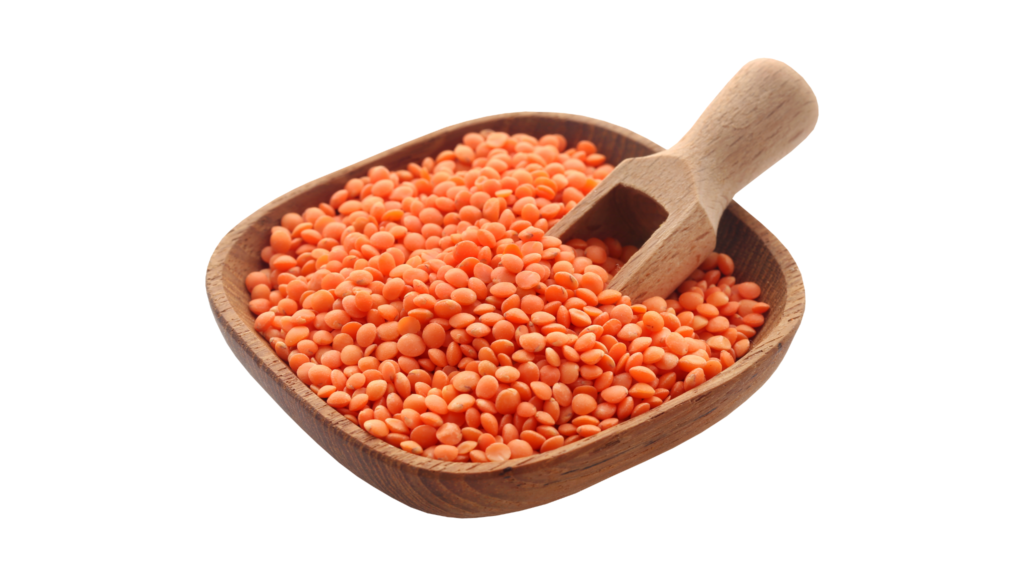
Red lentils are also a source of iron, folate, and potassium, making them a healthy nutritional option for vegetarians and vegans. Their fibre and bioactive profile also make them a well-tolerated soup or liquid-based food for individuals seeking gut-gentle nutrition.
Red Lentil Example Case Study
Mustafa et al. (2022) report that lentil seeds have been investigated for a possible protective role against several cancers, including colon, thyroid, liver, breast, and prostate cancer. This is attributed largely to lentil polyphenols, which have demonstrated chemo-preventive activity in laboratory studies by taking up carcinogens, supporting detoxification, and improving the fidelity of DNA repair.
On the epidemiological side, Adebamowo et al. (2005), analysing dietary data from 90,630 premenopausal women in the Nurses’ Health Study II over eight years of follow-up, found no overall association between total flavonol intake and breast cancer risk. However, the same cohort study reported a statistically significant inverse association specifically for bean or lentil intake — women in the highest intake category (two or more servings a week) showed a lower relative risk of breast cancer than those in the lowest category (relative risk 0.76; p for trend = 0.03).
This is a single observational cohort finding in premenopausal women, not a controlled trial, and the study’s authors themselves describe the association as meriting further evaluation rather than as an established conclusion. It is best read as a promising open question rather than a settled finding.
The full Adebamowo et al. (2005) study is indexed at: https://pubmed.ncbi.nlm.nih.gov/15609322/.
Pre-Soaking Red Lentil In Water For Bioavailability Uptake
Soaking red lentils in clean water for 1–2 hours before cooking is understood to support bioavailability. Red lentils are softer than most other pulses and cook considerably faster as a result.
Soaking, washing, and cooking in water also help reduce anti-nutrients such as phytic acid, which can otherwise inhibit the absorption of certain minerals, and are reported to improve the texture and flavour of the cooked lentil.
Emerging Research: Legumes Beyond Cardiometabolic Health
Most of the legume research base concentrates on cardiometabolic and gut-related outcomes, but newer research is beginning to look further afield. A small 2026 intervention study by Camajani et al., involving 39 competitive adolescent and young adult swimmers monitored over five months, examined whether increasing legume intake was associated with changes in cellular hydration markers and autonomic nervous system function.
This is a small, athlete-specific study and its findings should not be generalised to the general population, but it illustrates a developing line of enquiry into legume consumption and outcomes beyond the cardiometabolic and gut-health domains most commonly studied.
In Ayurvedic diet sciences, red lentils are prized as a recovery food and green mung beans for their several nutritional advantages and their whole-food plant-based protein content.
Summary
To summarise, a legumes list built around bioactive-rich choices is worth considering for supporting overall wellbeing, given the depth of research behind their reported functional-therapeutic properties.
- Among the many legume varieties available, this article has focused on two in particular — the green mung bean and the red lentil.
- Both are associated in the research literature with antioxidant, antibacterial, antifungal, antiviral, cardioprotective, anti-inflammatory, nephroprotective, antidiabetic, anticarcinogenic, anti-obesity, hypolipidemic, and chemopreventive activity, to varying degrees of evidential strength.
- These bioactive compounds are considered body-friendly and nutritionally valuable, and are relatively easy to incorporate into a well-balanced diet. The studies cited in this article reflect a genuine and growing evidence base, though as with most nutrition research, findings range from well-replicated (cardiometabolic effects) to early-stage and observational (some cancer-risk associations), and should be read with that distinction in mind. Referring back to their long-standing history of use in traditional dietary systems, some of their benefits are well-supported by research — red lentils, for example, known in Sanskrit and Hindi as Masoor or Masoor Dal.
Suitability & Precautions
The information presented in this guide is subject to individual suitability and individual health status. This is an informational post only and does not constitute professional or medical advice.
Nutraceutical “A nutraceutical is defined as any substance that is a food or part of a food and provides medical or health benefits, including the prevention and treatment of disease (DeFelice, 1994)”
ScienceDirect
References & Data
- United States Department of Agriculture, FoodData Central: Lentils, pink or red, raw (FDC ID 174284). https://fdc.nal.usda.gov/fdc-app.html#/food-details/174284/nutrients
- United States Department of Agriculture, FoodData Central: Mung beans, mature seeds, raw (FDC ID 174256). https://fdc.nal.usda.gov/fdc-app.html#/food-details/174256/nutrients
- Ganesan K, Xu B. Polyphenol-Rich Lentils and Their Health Promoting Effects. Int J Mol Sci. 2017 Nov 10;18(11):2390. doi: 10.3390/ijms18112390. PMCID: PMC5713359. Link
- Johnson CR, Thavarajah D, Combs GF Jr, Thavarajah P. Lentil (Lens culinaris L.): A prebiotic-rich whole food legume. Food Research International. 2013;51(1):107–113. doi: 10.1016/j.foodres.2012.11.025.
- Hou D, Yousaf L, Xue Y, Hu J, Wu J, Hu X, Feng N, Shen Q. Mung Bean (Vigna radiata L.): Bioactive Polyphenols, Polysaccharides, Peptides, and Health Benefits. Nutrients. 2019 May 31;11(6):1238. doi: 10.3390/nu11061238. PMCID: PMC6627095.
- Mustafa AM, Abouelenein D, Acquaticci L, Alessandroni L, Angeloni S, Borsetta G, Caprioli G, Kamgang Nzekoue F, Sagratini G, Vittori S. Polyphenols, Saponins and Phytosterols in Lentils and Their Health Benefits: An Overview. Pharmaceuticals. 2022;15(10):1225. doi: 10.3390/ph15101225. PMCID: PMC9609092.
- Adebamowo CA, Cho E, Sampson L, Katan MB, Spiegelman D, Willett WC, Holmes MD. Dietary flavonols and flavonol-rich foods intake and the risk of breast cancer. Int J Cancer. 2005 Apr 20;114(4):628–633. doi: 10.1002/ijc.20741. Link
- Polak R, Phillips EM, Campbell A. Legumes: Health Benefits and Culinary Approaches to Increase Intake. Clin Diabetes. 2015 Oct;33(4):198–205. doi: 10.2337/diaclin.33.4.198. PMCID: PMC4608274.
- Didinger C, Thompson HJ. Defining Nutritional and Functional Niches of Legumes: A Call for Clarity to Distinguish a Future Role for Pulses in the Dietary Guidelines for Americans. Nutrients. 2021 Mar 27;13(4):1100. doi: 10.3390/nu13041100. PMCID: PMC8066616.
- Camajani E, Caporali V, Gorini S, Feraco A, Quattrini C, Procaccio L, Armani A, Padua E, Caprio M, Lombardo M. Legume Consumption Improves Cellular Health and Autonomic Function in Competitive Swimmers. Nutrients. 2026 Jan 14;18(2):274. doi: 10.3390/nu18020274. PMCID: PMC12845491.