

Herbal Tea: A Nutrient and Therapeutic Guide
Herbal teas, or tisane, are infusions made from plant parts — flowers, leaves, roots, bark or stems — steeped or simmered in water rather than brewed from the tea plant, Camellia sinensis. Their effects, where research has looked closely, tend to centre on hydration, relaxation, sleep support and digestive comfort, translating into indirect systemic influences in other areas, and vary by plant and preparation.
What ties the category together is chemistry: the plant parts used in herbal tea are rich in polyphenolic compounds — bioactive substances with antioxidant and anti-inflammatory activity — which is the basis for most of tisane’s traditional and researched effects. Domains such as Ayurveda carry a long-standing history of using herbal tea for different therapeutic purposes, some of which are discussed below.
Additionally, herbal tea is a versatile natural beverage and, depending on athletic needs, may be helpful as part of a well-balanced diet due to its anti-inflammatory and antioxidant potential.
What Is Herbal Tea (Tisane)?
Herbal tea is made by combining water — hot or, less often, cold — with one or more plant ingredients. Depending on the region and the specific tea, it may also be called an infusion, decoction or tonic. It has a long history as a “medicinal drink” across several traditional systems, particularly in India and China, where herbal teas are combined with specific foods as part of broader dietary approaches. A well-known example is ginger tea for digestion.
Does Herbal Tea Have Caffeine
Caffeine is itself an alkaloid — one of the bioactive compound families already covered below — and it’s specific to Camellia sinensis*, the tea plant behind black, green, white and oolong tea.
Herbal teas draw on an entirely different set of plants, so most carry none of it: chamomile, peppermint, ginger, dandelion, lavender, lemongrass and rooibos among them. Two exceptions are worth highlighting — yerba mate and guayusa are sometimes marketed as herbal tea but do contain caffeine — and it’s worth reading the label on commercial herbal blends, which occasionally mix true herbal ingredients with actual tea leaves.
For a sense of scale: black tea carries meaningfully less caffeine than a comparable cup of brewed coffee — generally under half, cup for cup. Espresso concentrates a similar dose into a much smaller volume, which is part of why a quick shot can feel just as stimulating as a full cup of tea.
The Bioactive Compounds Behind Herbal Tea
Chandrasekara and Shahidi (2018) catalogue the main compound families found across herbal beverages: phenolic acids, flavonoids, lignans, alkaloids, tannins, coumarins, terpenes, carotenoids, and polyacetylenes. The exact profile depends entirely on the plant and the part used.
The same review describes herbal beverages as “lifespan nutrients” — the researchers’ term for their association with reduced risk of non-communicable diseases such as heart disease, certain cancers, diabetes and chronic respiratory disease: conditions that develop gradually and are shaped by genetic, environmental and lifestyle factors rather than infection.
Across the compound families above, the review reports a range of biological effects, including antioxidant, antibacterial, antiviral, anti-inflammatory, antiallergic and antithrombotic activity.
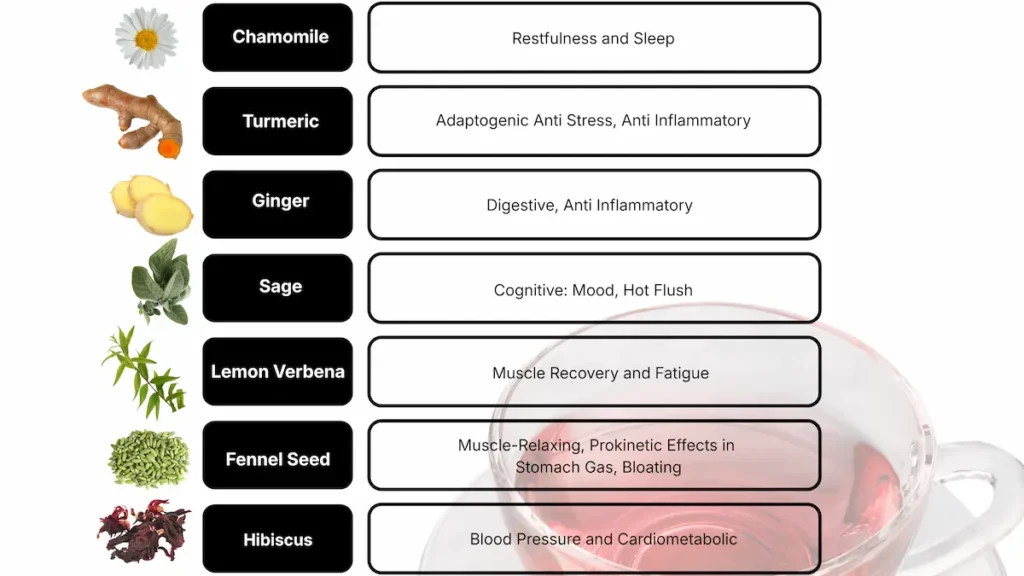
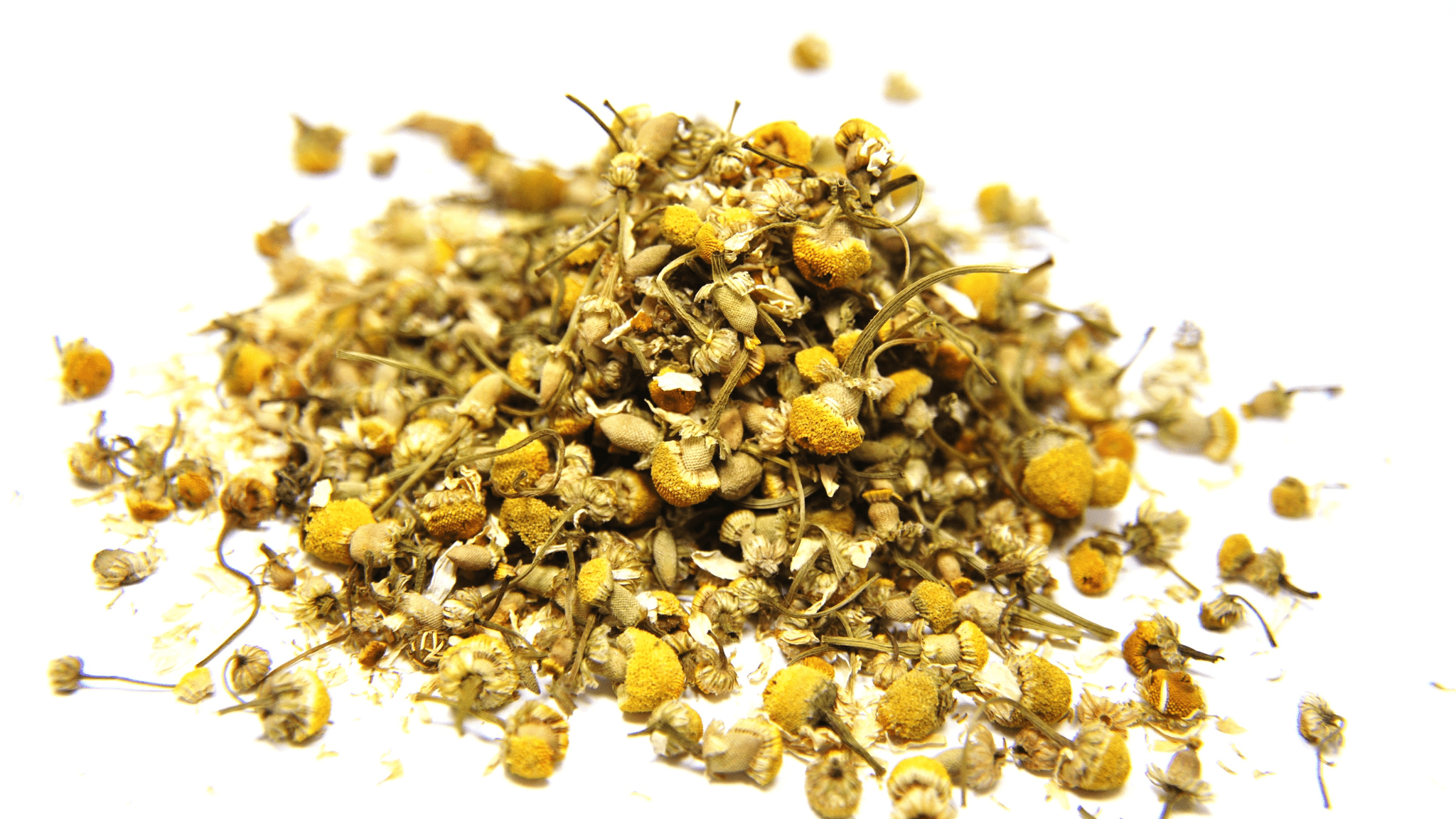
These compounds rarely act alone — each plant’s combination influences a food matrix effect distinct from any single isolated compound. In chamomile, for instance, the flavonoids apigenin and luteolin appear to enhance the anti-inflammatory and antioxidant activity of the terpenoid chamazulene — a synergy that’s a useful reminder of why whole-plant preparations and isolated compounds don’t always behave the same way.
Examples of Three Herbal Teas With Targeted Research
Most herbal tea research is broad and compound-focused. A smaller set of studies has looked at specific teas and specific outcomes directly —there are several; here are three examples below.
Lavender Tea: A randomised clinical trial in adults over 70 examined lavender tea’s effect on anxiety and depression, using 2 grams of lavender prepared as a decoction, twice daily, for two weeks. The trial reported a significant reduction in both anxiety and depression scores over that period (Bazrafshan et al., 2020).
Dandelion
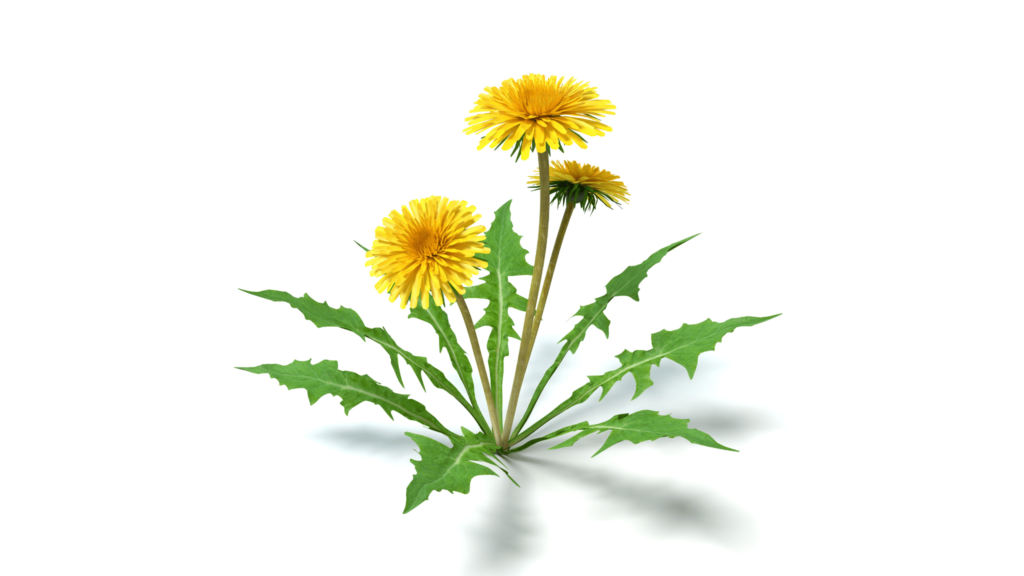
Dandelion Tea (Taraxacum officinale) has a long history of traditional use for liver, kidney and gallbladder support, and dandelion tea is also used traditionally as a digestive aid. A 2025 narrative review compiling preclinical research reports that dandelion extracts protect against liver damage induced by toxic agents including alcohol, carbon tetrachloride and paracetamol in vivo models, with taraxasterol — one of dandelion’s principal bioactive compounds — identified as a key contributor through its effect on inflammatory and oxidative stress pathways (Vielma et al., 2025). This is in vivo and extract-based research rather than a human trial on dandelion tea specifically, so it supports plausibility more than it proves an equivalent effect from drinking the tea. Dandelion root is also a rich source of inulin, a prebiotic fibre associated with digestive and metabolic benefits more broadly.
Lemongrass
Lemongrass Tea: A comprehensive review of lemongrass research reports that daily intake of 2, 4 or 8 grams in 150mL of water over 30 days reduced systolic, diastolic and mean blood pressure in both healthy and hypertensive study participants, an effect attributed to lemongrass’s flavonoid and phenolic content supporting blood vessel relaxation and dilation (Silva & Bárbara, 2022).
Preparation Methods Shift Herbal Tea Properties
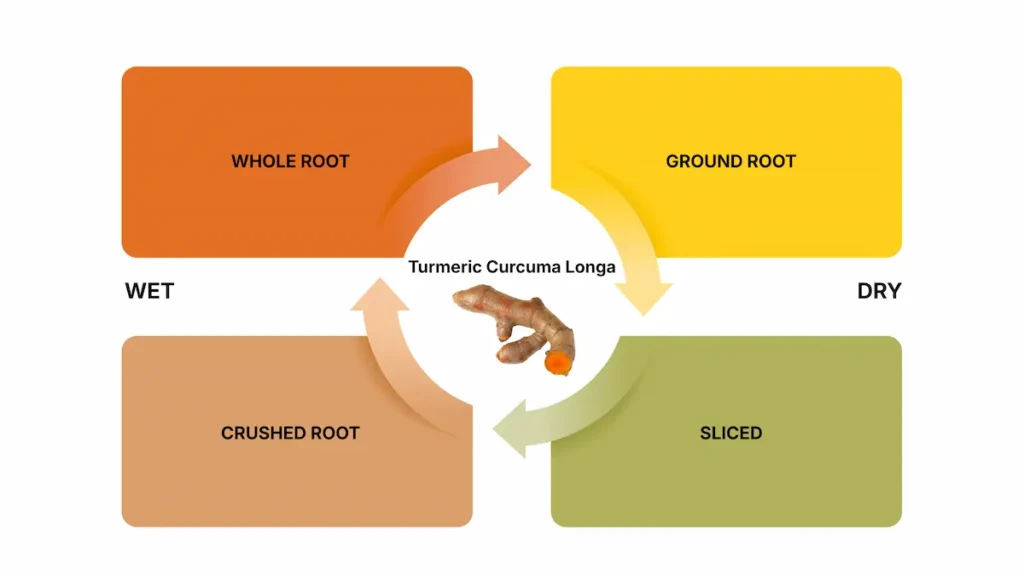
Three things shape a herbal tea’s effects before it’s even brewed: the plant’s origin, the specific part used, and how that part is processed. Fresh versus dried plant material, and whole versus ground, will produce different results — partly because the compounds themselves can change as the plant is processed, and partly because extraction strength, compound retention and bioavailability all shift with the preparation method.
Turmeric root illustrates this well: fresh root, sliced or wet-crushed, behaves differently as a tea ingredient than dried root, whether left whole or ground to powder. Both retain curcumin, turmeric’s principal antioxidant compound, but in different concentrations and with different extraction behaviour in water.
The most common preparation methods:
- Steeping — soaking the plant part in hot or cold water, typically for 1–10 minutes depending on the plant. The most common method for everyday herbal tea.
- Boiling — less common for tea generally, but used in Ayurveda for tougher plant material. Terminalia arjuna bark (Arjun Chaal), for instance, is traditionally boiled and drunk warm as a cardiovascular-supportive decoction.
- Maceration — soaking plant material in hot water for several hours or overnight, producing a more concentrated infusion. Common with chamomile, lavender, mint and lemon balm.
- Decoction — simmering plant material for 20 minutes or more to extract its full compound profile. In Ayurveda this is known as kwath or kadha, and is generally used for a concentrated, short-term therapeutic dose rather than as an everyday drink.
Steeping time and temperature genuinely affect the outcome, not just the taste — research on white and green tea has found both antioxidant content and sensory qualities shift measurably with steeping time, temperature and particle size (Castiglioni et al., 2015), a pattern that reasonably extends to herbal preparations too.
Antioxidant Activity and a Note on Synthetic Antioxidants
Antioxidants inhibit or delay the oxidation of other molecules in food and biological systems, working through several independent mechanisms — free radical scavenging, singlet oxygen quenching, metal ion chelation, and inhibition of pro-oxidative enzymes among them (Chandrasekara & Shahidi, 2018).
Herbal tea’s natural antioxidant activity is one of its more consistently reported properties across the plant families studied.
The food industry, by contrast, relies on synthetic antioxidants — BHA, BHT, propyl gallate and TBHQ among them — to extend shelf life. Research in vivo models has raised concerns about their carcinogenic potential at high concentrations, which has limited their use in some food applications. This is a useful reference point for why naturally occurring antioxidant sources, including herbal tea, are generally treated differently from synthetic additives in dietary guidance.
Hydration and Micronutrients
Herbal tea isn’t a substitute for plain water, but it does contribute to overall fluid intake — and, unlike sugary or caffeinated drinks, caffeine-free herbal preparations do this without the trade-offs those beverages carry. (This doesn’t apply to green or black tea, which do contain caffeine.)
Herbal teas also carry trace micronutrients, though typically far smaller amounts than eating the plant itself would provide. Brewed chamomile tea, for example, contains around 12µg of beta-carotene, 20 IU of vitamin A and 9mg of potassium per 100g (USDA FoodData Central) — meaningful as a small contribution to overall intake, not as a significant source on its own.
Herbal Tea in Ayurveda
Ayurveda treats herbal tea as an integral part of healing rather than a separate category from food, and dietary prescriptions frequently combine specific teas with specific foods.
The choice of plant part, and how it’s processed, is treated as a meaningful factor in a tea’s effectiveness — a principle that lines up reasonably well with the preparation-method research above, even though the two domains arrived at it through very different routes.
Summary
Herbal tea’s therapeutic reputation, across both traditional use and modern research, rests on a broad, well-documented set of bioactive compounds — polyphenols, flavonoids, terpenes and several others — whose concentration and behaviour shift with the plant, the part used, and how it’s prepared. The best-supported specific effects are seen and documented: lavender for anxiety, lemongrass for blood pressure, and dandelion for liver support (the last still resting mainly on preclinical evidence) are each backed by targeted research, while much of herbal tea’s broader reputation is supported more generally, through its antioxidant compound content and a long, independent history of traditional use.
Suitability and Precautions
The information presented in this guide is subject to individual suitability and individual health status. This is an informational post only and does not constitute professional or medical advice. By its nature, the scope of this article is limited.
Frequently Asked Questions
Tea, strictly speaking, comes from the Camellia sinensis plant (black, green, white and oolong tea). Tisane, or herbal tea, is an infusion made from any other plant part — flowers, leaves, roots or bark — and is typically caffeine-free.
Some of these include Lavender tea for anxiety and mood, lemongrass tea for blood pressure, and dandelion for liver support, which are among the herbal teas with the most specific, targeted research.
Yes. Steeping time, temperature, and whether the plant material is fresh or dried all affect compound retention and bioavailability — research on white and green tea has measured this directly, and it reasonably extends to herbal preparations.
Herbal teas carry trace micronutrients — brewed chamomile, for example, contains small amounts of beta-carotene, vitamin A and potassium — but in far smaller amounts than eating the plant itself would provide.
Yes, an Ayurvedic diet, based on individual assessment and a dietary plan, often includes herbal tea, depending on the personal assessment and need.
References
- Chandrasekara, A., & Shahidi, F. (2018). Herbal beverages: Bioactive compounds and their role in disease risk reduction — A review. Journal of Traditional and Complementary Medicine, 8(4), 451–458.
- Bazrafshan, M. R., et al. (2020). The effect of lavender herbal tea on the anxiety and depression of the elderly: A randomized clinical trial. Complementary Therapies in Medicine, 50, 102393.
- Herrera Vielma, F., Quiñones San Martín, M., Muñoz-Carrasco, N., Berrocal-Navarrete, F., González, D. R., & Zúñiga-Hernández, J. (2025). The Role of Dandelion (Taraxacum officinale) in Liver Health and Hepatoprotective Properties. Pharmaceuticals, 18(7), 990.
- Silva, H., & Bárbara, R. (2022). Exploring the Anti-Hypertensive Potential of Lemongrass — A Comprehensive Review. Biology, 11(10).
- Castiglioni, S., et al. (2015). Influence of steeping conditions (time, temperature, and particle size) on antioxidant properties and sensory attributes of some white and green teas. International Journal of Food Sciences and Nutrition, 66(5), 491–497.
- USDA FoodData Central — Beverages, herb tea, chamomile, brewed (FDC ID 174156).