

Organic Oats: Oats Protein, Oats Beta Glucan & Bioactive Compounds
Organic oats are pesticide-free whole edible grains, botanically known as Avena sativa.
Whole organic oats may offer different nutritional and therapeutic value than more highly processed varieties, largely because they are handled minimally before reaching the plate. Whole-food oats are generally nutrient-dense and have notable metabolic effects.
Fabiano et al. (2023) observed that oat consumption may support gut microbiota modulation and short-chain fatty acid synthesis, an area of ongoing research interest.
The review also highlights insoluble fibre and oat beta-glucan (OBG), which have prebiotic potential and support short-chain fatty acid production, along with a distinct group of phenolic compounds — avenacolysates, avenacins, and avenanthramides — found in oats.
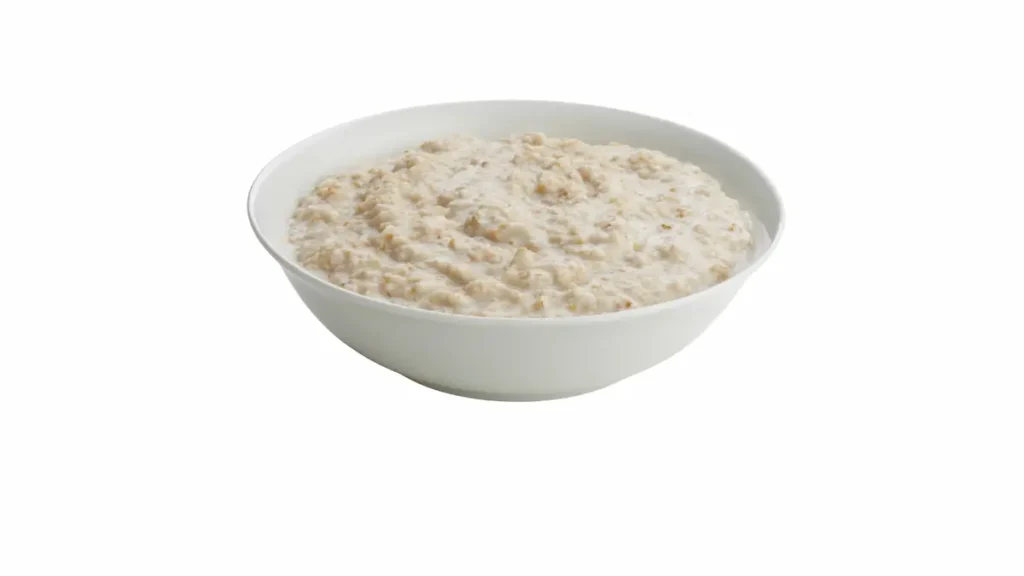
The nutritional efficacy of oats is also shaped by what is known as the food matrix effect — the idea that a food’s components work together to produce an overall effect, rather than acting in isolation.
This means the type of oat consumed and the preparation method can meaningfully affect its nutritional value.
Key Points
This article provides an overview of organic oats: their types, bioactive compounds, protein content, beta-glucan and its research profile, therapeutic actions, an optimised method of intake, and a classical Ayurvedic perspective.
It draws extensively on Fabiano et al. (2023), “Relationship between Oat Consumption, Gut Microbiota Modulation, and Short-Chain Fatty Acid Synthesis: An Integrative Review,” published in Nutrients.
Oat Varieties
Oats belong to the genus Avena, within the grass family Poaceae.
Common varieties include Avena sativa (cultivated oats), Avena byzantina (wild red oats), and Avena sterilis (wild white oats). Organic oats are typically grown in Canada, the United States, parts of Europe and Asia, and Russia.
Types Of Oats
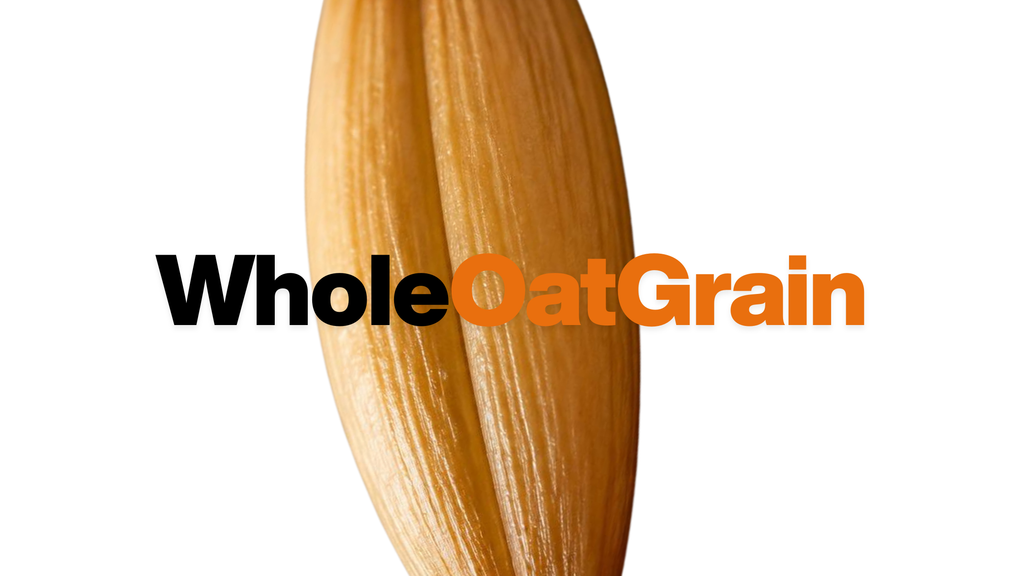
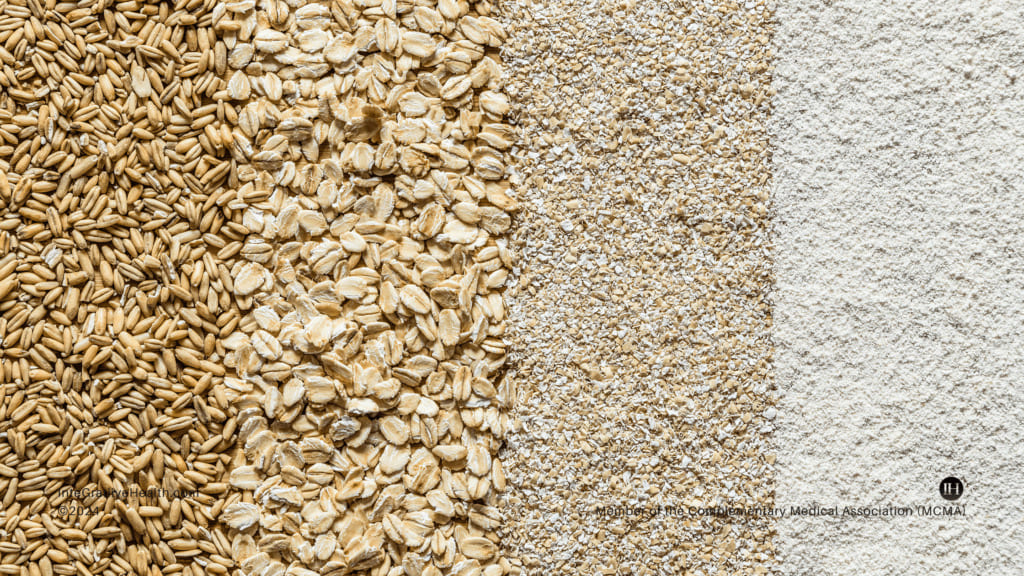
(Groats) hulled, whole organic oats are the entire oat groat with only the outer husk removed; they are minimally processed.
Rolled organic oats are whole oats steamed and flattened by large rollers.
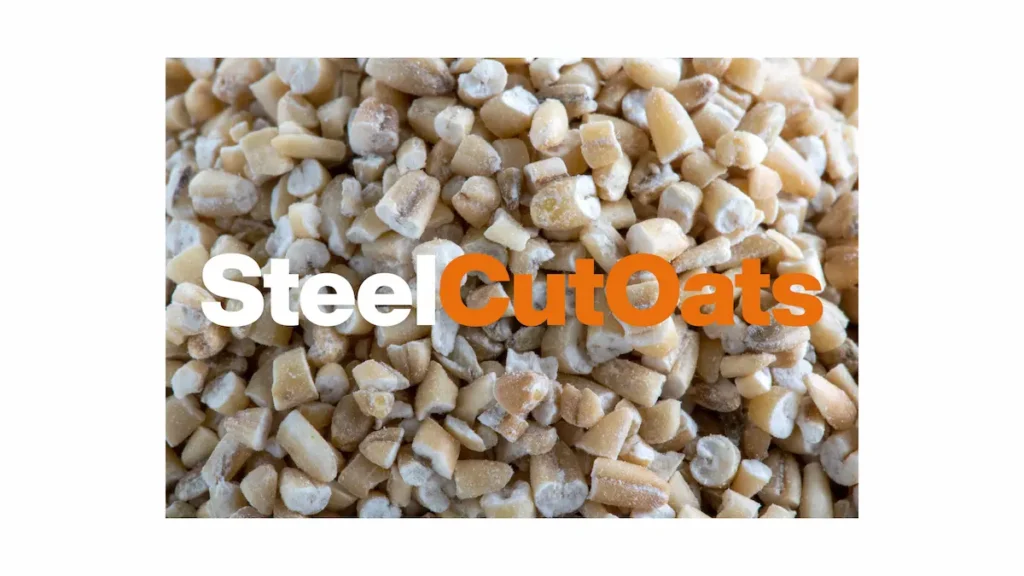
Steel-cut organic oats are whole oat groats chopped into small pieces.
Flaked oats are also whole oats that have been flattened, but are typically thicker than rolled oats.
Oatmeal is a form of ground whole oats.
Oat bran is the outer layer of the oat groat. It is rich in soluble fibre and contains more phytic acid.
Comparatively: Whole Organic Oats (Hulled)
Whole organic oats are considered nutritious largely because minimal processing helps retain their nutritional value.
Unlike refined grains, which lose many phytochemicals during processing, whole oats retain more of their nutritional benefits by remaining largely intact.
Removing the hull is also thought to reduce phytic acid content, since phytic acid tends to concentrate in the outer layers of many cereal grains — which may in turn support better iron absorption from oats. Chen et al. (2021) discuss phytic acid’s role in binding minerals such as iron and zinc, and note that soaking is one effective way to reduce it.
Whole Food Oats Are Different From Ultra-Processed Cereals
Not all oat-based products behave the same way once they reach the body, and this comes back to the food matrix effect discussed earlier. Whole food oats — groats, steel-cut, or minimally rolled — retain more of their original plant structure, whereas many oat-based breakfast cereals undergo extensive processing: extrusion, puffing, sugar coating, or synthetic fortification. Paudel et al. (2021) observe that unrefined, whole oat-based products tend to be more effective at lowering cholesterol than processed products where the oat tissue has been highly disrupted, since the cholesterol-lowering mechanism depends on beta-glucan retaining enough of its viscosity-forming structure in the gut (Tosh & Bordenave, 2020). Ultra-processed oat cereals can also introduce added sugars, sodium, and refined starches that whole food oats do not naturally carry, which may offset some of the metabolic benefits associated with the grain in its less-processed forms.
In practice, this suggests that how an oat product is processed may matter as much as whether it contains oats at all. To state that oats are bad for you is incorrect, as the quality and type of oats matter greatly.
Bioactive Compounds & Oat Beta Glucan
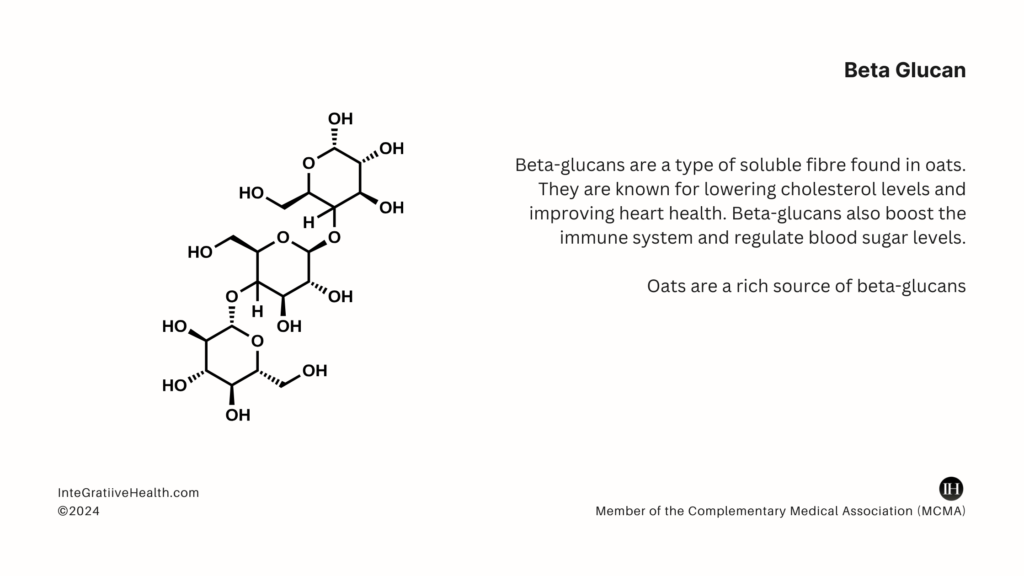
Oat beta-glucan (OBG) is a viscous polysaccharide and a major component of the soluble fibre in oats (Paudel et al., 2021). It is one of the most studied compounds in oats and the focus of several cardiometabolic research studies on the grain.
- Beta-glucan is also considered a prebiotic that may help maintain gut microbiota balance and indirectly affect the gut-brain axis (Fabiano et al., 2023).
- Minor components — antioxidant compounds such as tocols, phenolic compounds, and sterols — are also associated with health benefits.
- Tocopherols and tocotrienols (tocols) together contribute to the vitamin E activity found in oats.
- Oats contain several phenolic compounds, including avenanthramides (AVAs), p-hydroxybenzoic acid, vanillic acid, tricin, ferulic acid, caffeic acid, protocatechuic acid, syringic acid, p-coumaric acid, sinapic acid, apigenin, luteolin, kaempferol, and quercetin — several of which are recognised for antioxidative activity.
- AVAs are phenolic alkaloids found exclusively in oats and have been studied for their antioxidant, anti-inflammatory, antiproliferative, and anti-itch activities.
Oats Protein: Quantity & Quality
Oats contain some protein and can therefore be a good addition to a plant-based diet.
Oats Protein Quantity
The protein content in oats varies by cultivar, growing conditions, and processing. For example, amongst others, USDA lists rolled (old fashioned) oats at 13.5 g of protein per 100 g, within the 13–20% range reported by Paudel et al. (2021) for oat groats generally, at the lower end.
- Oats generally contain a higher protein content than widely consumed cereals such as corn and rice, with a fairly good balance of essential amino acids.
- Protein content in oat groats ranges from 13 to 20%, according to Paudel et al. (2021).
The table below compares the three most common whole-food, unfortified oat forms per 100 g of dry weight, based on USDA observations.
| Oat form | Calories | Protein | Carbohydrates | Fat | Fibre | Sodium |
|---|---|---|---|---|---|---|
| Rolled (old fashioned), dry | 382 kcal | 13.5 g | 68.7 g | 5.9 g | 10.4 g | 1 mg |
| Steel-cut, dry | 381 kcal | 12.5 g | 69.8 g | 5.8 g | 12.0 g | <1 mg |
| Regular/quick, dry (unfortified) | 379 kcal | 13.2 g | 67.7 g | 6.5 g | 10.1 g | 6 mg |
Figures are per 100 g dry weight (USDA FoodData Central). Steel-cut oats have the highest fibre of the three, but with slightly less protein; rolled oats offer the closest balance of protein and the lowest sodium among these unfortified forms.
Type Of Oat Protein
Fabiano et al. (2023) note that oats carry higher protein levels than many other cereals.
- The proteins in oats are mainly globulins (avenalins) and prolamins (avenins).
- It also states that oat protein consists of four fractions: 70–80% globulin, 1–12% albumins, 4–15% prolamins, and up to 10% glutelins (Rafique et al., 2022).
- Oat protein is generally regarded as higher quality than that of other cereal grains, owing to comparatively higher levels of essential amino acids such as lysine.
Functional Advantages: Therapeutic Actions
Because of their combined nutritional components, organic oats are associated with a number of therapeutic properties that display physiological benefits when eaten as part of a well-balanced diet — the key being to incorporate oats into a broader dietary pattern rather than consume them in isolation.
Oats and Cholesterol
For example, oats are studied for their role in cholesterol balance. Beta-glucan can increase the viscosity of intestinal contents, limit bile acid reabsorption in the terminal ileum, and increase faecal excretion — a mechanism that results in cholesterol utilisation (Paudel et al., 2021).
Notably, Paudel et al. (2021) observe that unrefined, whole oat-based products appear more effective at lowering cholesterol than processed oat products where the oat tissue is highly disrupted — with liquid-based preparations generally more effective than solid or semi-solid ones for a comparable amount of oat beta glucan – OBG.
Oats’ therapeutic and pharmacological properties have been explored, to varying degrees, across the following areas:
| Property studied | Area of research interest |
|---|---|
| Weight management | Gradual weight management supported by fibre and satiety effects (Paudel et al., 2021) |
| Cardioprotective | Beta-glucan (OBG) viscosity, LDL cholesterol and gut microbiota mechanisms (Tosh & Bordenave, 2020; Paudel et al., 2021) |
| Blood sugar balancing | Postprandial glucose response research relevant to diabetics and low-GI diets (Tosh & Bordenave, 2020) |
| Anti-inflammatory | Polyphenolics — ferulic acid and avenanthramides — and immune signalling research (Chen et al., 2021) |
| Antihypertensive | Preliminary research interest linked to fibre and bioactive compound intake (Paudel et al., 2021) |
| Antioxidative | Tocols, phenolic compounds and avenanthramides (Paudel et al., 2021) |
| Immunomodulatory | Dietary fibre, polyphenolics and protein contribution to immune function (Chen et al., 2021) |
| Antithrombotic | Preliminary/preclinical research interest |
| Exercise recovery | Oat protein and peptide research on muscle strength and fatigue (Rafique et al., 2022) |
Ayurvedic Overview: Vata Pitta
Classical sciences such as Ayurveda suggest organic oats may be a helpful dietary source for weight management, digestive tract wellbeing, and anti-inflammatory diets. Mainstream science has explored this to some extent.
Cooked oats are considered vata and pitta-friendly, and can be combined with good fats such as coconut oil.
Oats may also suit a kapha diet when paired with whole spices. Tradition holds that oats calm the mind and suggests washing, soaking, and cooking them as a sweet or savoury meal, tailored to individual dosha type.
Organic oats are best consumed as part of a well-balanced and systematic diet, rather than in isolation. Ayurvedic preparation methods typically involve washing and soaking the grain before cooking, an approach meant to support easier digestion.
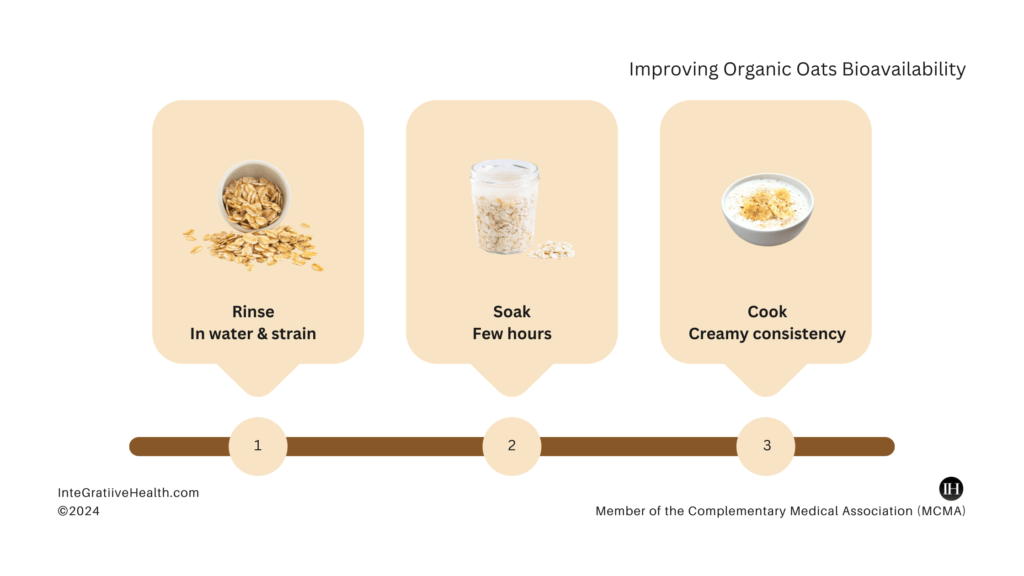
Working With The Phytic Acid In Oats (Digested Bioavailability)
Removing phytic acid from oats before consumption may help improve nutrient absorption. Phytic acid can bind minerals such as zinc, iron, and calcium, inhibiting their absorption. Some people may experience flatulence or slower digestion with oats.
Lowering phytic acid levels may help support digestive integrity.
The following treatments may be helpful before consumption:
- Rinsing: rinsing oats in water to clean the grain and straining before use.
- Soaking: soaking oats in water or an acidic medium, such as yoghurt or buttermilk, can help break down phytic acid.
- Heat cooking: heat cooking without overcooking — boiling or steaming — can also help reduce phytic acid levels in oats.
Are Overnight Oats Better Than Cooked Oats?
The answer depends on what “better” is being measured against. Overnight oats — oats cold-soaked, typically in milk or a plant-based alternative, without heat — may retain more heat-sensitive compounds than cooked oats, since no nutrients are lost to thermal degradation.
Cooking is one of the more effective ways to reduce phytic acid in oats, as covered earlier in this article — a cold soak alone activates this process more slowly. In practice, neither preparation may be clearly superior; the choice may come down to convenience, digestive tolerance, and which trade-off—nutrient retention and glycaemic response versus more thorough phytic acid breakdown—matters more to the individual.
Summary
In summary, organic oats — botanically Avena sativa — contain significant nutritional components, including oats protein and oats beta glucan (OBG).
- Consuming organic whole-hulled oats (groats) or organic rolled oats may provide more nutrients because they are minimally processed. Pre-soaking and cooking can also reduce phytic acid content and improve bioavailability during digestion.
- Several studies point to cardioprotective, anti-inflammatory, and cholesterol-balancing properties in oats and to oats as a good source of plant protein when combined with other plant sources.
- Oat protein is generally considered higher quality than that of other grains.
- Oats also provide antioxidants through vitamin E (tocols), associated with protection against premature ageing
- Oats may not be easy to digest for some people; treating them before eating can help.
- Ayurvedic science suggests oats suit vata and pitta diets well.
Precautions & Suitability
Precautions and personal responsibility are important. Any information in this article is based on individual suitability and individual health status. This is an informational post only and does not constitute professional medical advice.
Data & References
- Fabiano GA, Shinn LM, Antunes AEC. Relationship between Oat Consumption, Gut Microbiota Modulation, and Short-Chain Fatty Acid Synthesis: An Integrative Review. Nutrients. 2023 Aug 11;15(16):3534. doi: 10.3390/nu15163534. PMID: 37630725; PMCID: PMC10459712.
- United States Department of Agriculture, FoodData Central. Oats, whole grain, rolled, old fashioned. https://fdc.nal.usda.gov/food-details/2346396/nutrients
- United States Department of Agriculture, FoodData Central. Oats, whole grain, steel cut. https://fdc.nal.usda.gov/food-details/2346397/nutrients
- United States Department of Agriculture, FoodData Central. Cereals, oats, regular and quick, not fortified, dry. https://fdc.nal.usda.gov/food-details/173904/nutrients
- Paudel D, Dhungana B, Caffe M, Krishnan P. A Review of Health-Beneficial Properties of Oats. Foods. 2021 Oct 26;10(11):2591. doi: 10.3390/foods10112591. PMID: 34828872; PMCID: PMC8625765.
- Chen O, Mah E, Dioum E, Marwaha A, Shanmugam S, Malleshi N, Sudha V, Gayathri R, Unnikrishnan R, Anjana RM, Krishnaswamy K, Mohan V, Chu Y. The Role of Oat Nutrients in the Immune System: A Narrative Review. Nutrients. 2021 Mar 24;13(4):1048. doi: 10.3390/nu13041048. PMID: 33804909; PMCID: PMC8063794.
- Rafique H, Dong R, Wang X, Alim A, Aadil RM, Li L, Zou L, Hu X. Dietary-Nutraceutical Properties of Oat Protein and Peptides. Front Nutr. 2022 Jul 5;9:950400. doi: 10.3389/fnut.2022.950400. PMID: 35866075; PMCID: PMC9294724.
- Tosh SM, Bordenave N. Emerging science on benefits of whole grain oat and barley and their soluble dietary fibers for heart health, glycemic response, and gut microbiota. Nutr Rev. 2020 Aug 1;78(Suppl 1):13-20. doi: 10.1093/nutrit/nuz085. PMID: 32728756.